Scientific research
Original work on fish stocks, marine biodiversity, oceanography, aquaculture and climate-related impacts, converted into assessments authorities can act on.
SMAFRI generates the evidence on which fisheries management, marine conservation and blue-economy investment can rest — and trains the people who work the resource.
Stock assessment, oceanography, biodiversity and field sampling.
Catch, effort, biological and spatial records under institutional custody.
Diploma, vocational trades and working-fishermen courses from that science.
Management notes, policy briefs and technical guidance Government can act on.
Somalia has the potential to support a productive fishing industry. That potential is constrained by market demand, fishing technology, and inconsistent management. Two of those three constraints are knowledge constraints — and SMAFRI is the institutional answer to that gap.
The Institute is the marine and fisheries research institution of Somalia, based in Bosaso. It integrates scientific research, marine science education to Diploma level, vocational skills development, scientific data, laboratories (in establishment), conservation and blue-economy innovation. It operates under By-Laws, a Governing Board and a Director General, in statutory coordination with the Ministry of Fisheries and Marine Resources.
SMAFRI is the same continuing institution that operated from 2014 under its former identity as the Somali Marine & Fisheries Science Institute (SMAFSI / SMFSI). All past works, qualifications and partnership commitments are those of that institution.
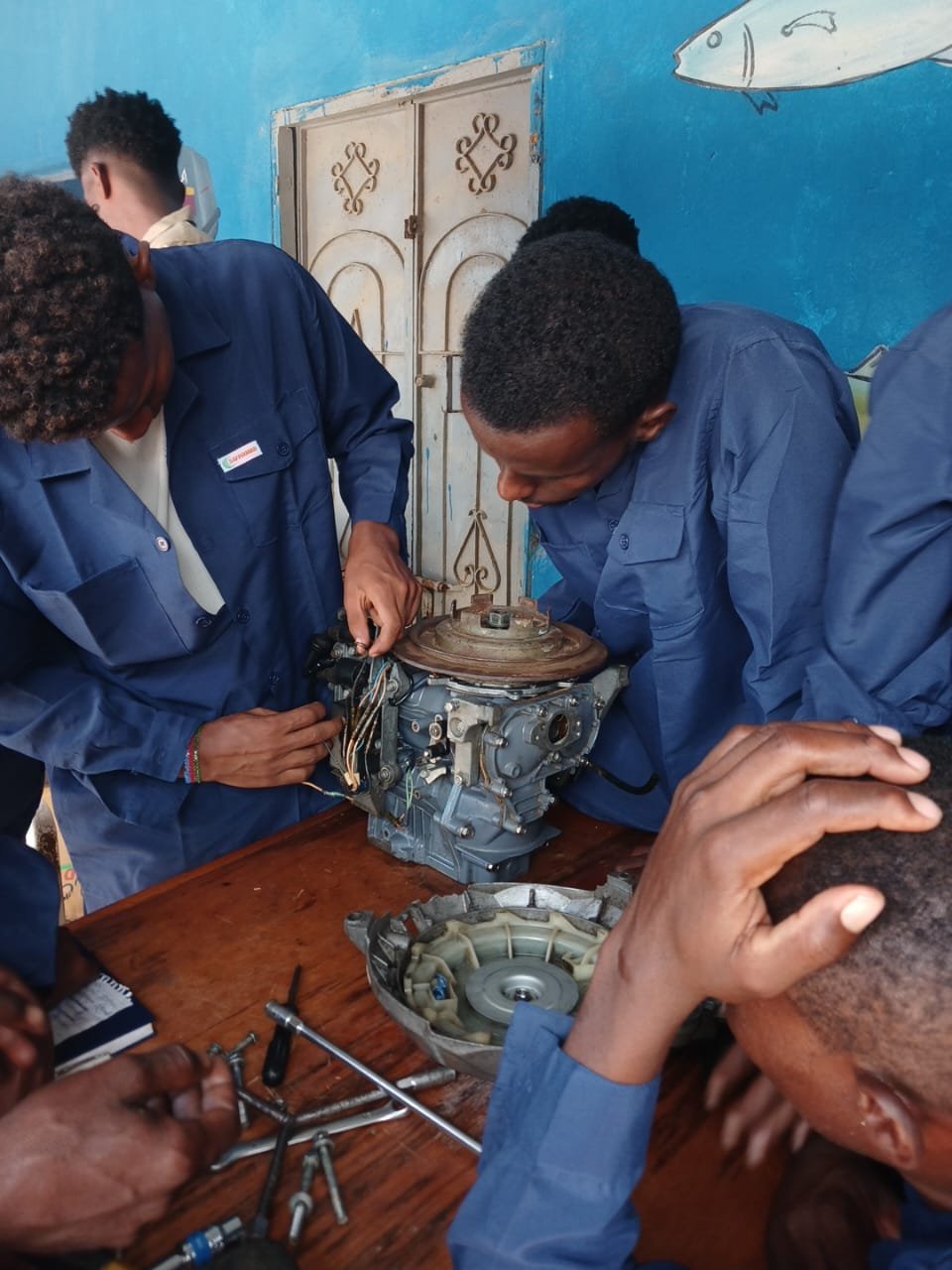
Field and workshop instruction at the Institute’s Bosaso facilities, on the eastern side of the port.
A marine economy depends on all three. SMAFRI holds them in a single governed framework — unusual anywhere in the region.
Original work on fish stocks, marine biodiversity, oceanography, aquaculture and climate-related impacts, converted into assessments authorities can act on.
A three-level ladder: short professional courses, vocational certificates in eight trades, and a two-year Diploma in Marine Science.
Technical advice to the Ministry, contracted services to industry and partners, and the national marine and fisheries data resource now being built.
Original scientific knowledge on Somalia’s marine ecosystems and fisheries resources.
Physical, chemical and biological oceanography of coastal and shelf waters, related to fisheries productivity.
Stock status converted into management advice that fisheries authorities can defend.
Biodiversity, critical habitats, vulnerable species and pressures on the coastal environment.
Systems, gear and post-harvest methods appropriate to Somali conditions.
Diploma-level professionals for the sector’s technical workforce.
Marketable skills for youth, women and working fishermen, and a safer artisanal fleet.
The national marine and fisheries data resource, usable for management and research.
Analytical capability for research, teaching and service delivery — the Institute’s immediate development priority.
Connection to the regional scientific system, and knowledge that reaches those who can use it.
From 2017 the Institute has designed, staffed, delivered and accounted for fisheries programmes along the Bari coast — including in remote districts where few institutions operate. That operational capability is the foundation on which the research mandate now stands.
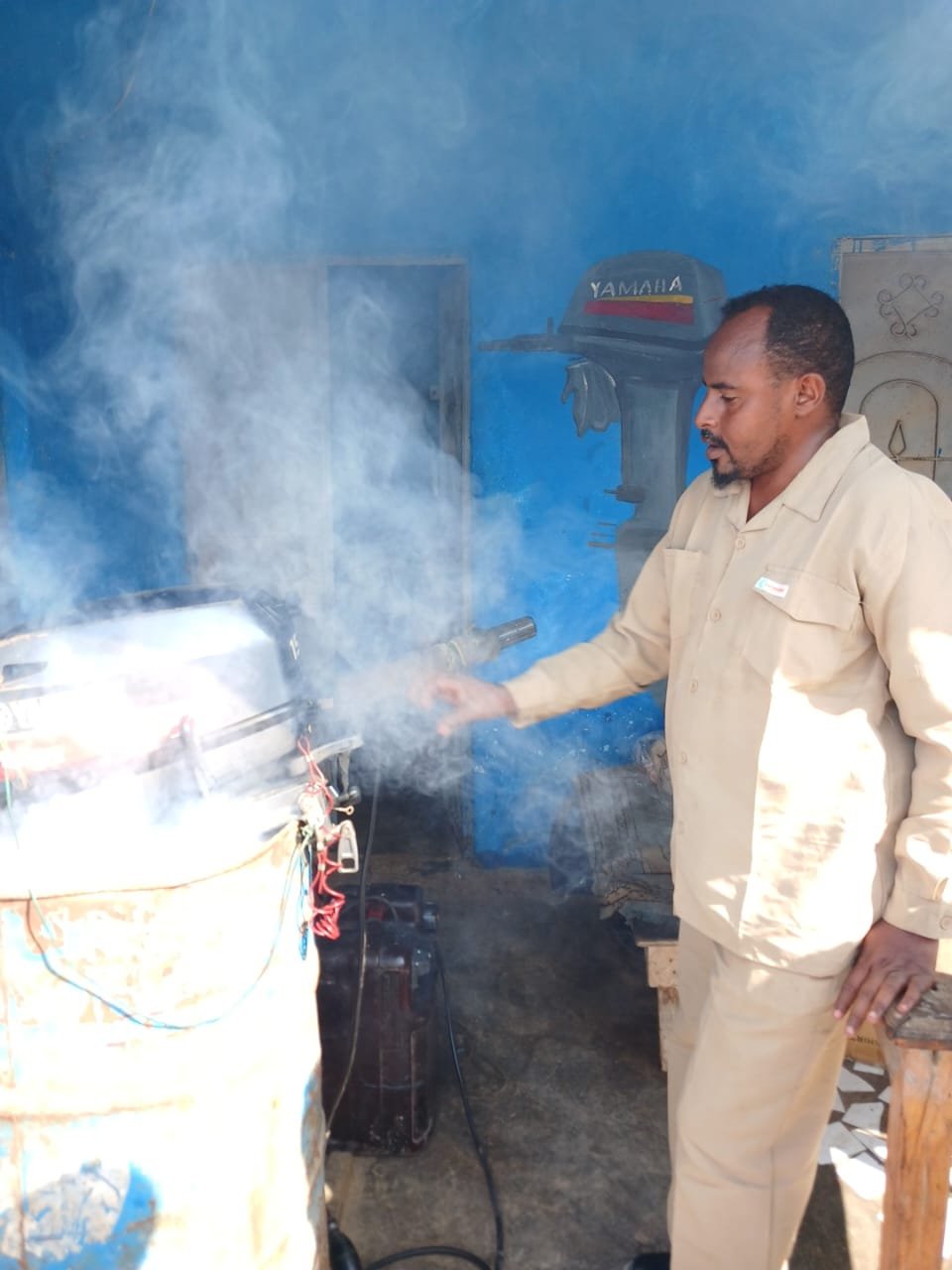
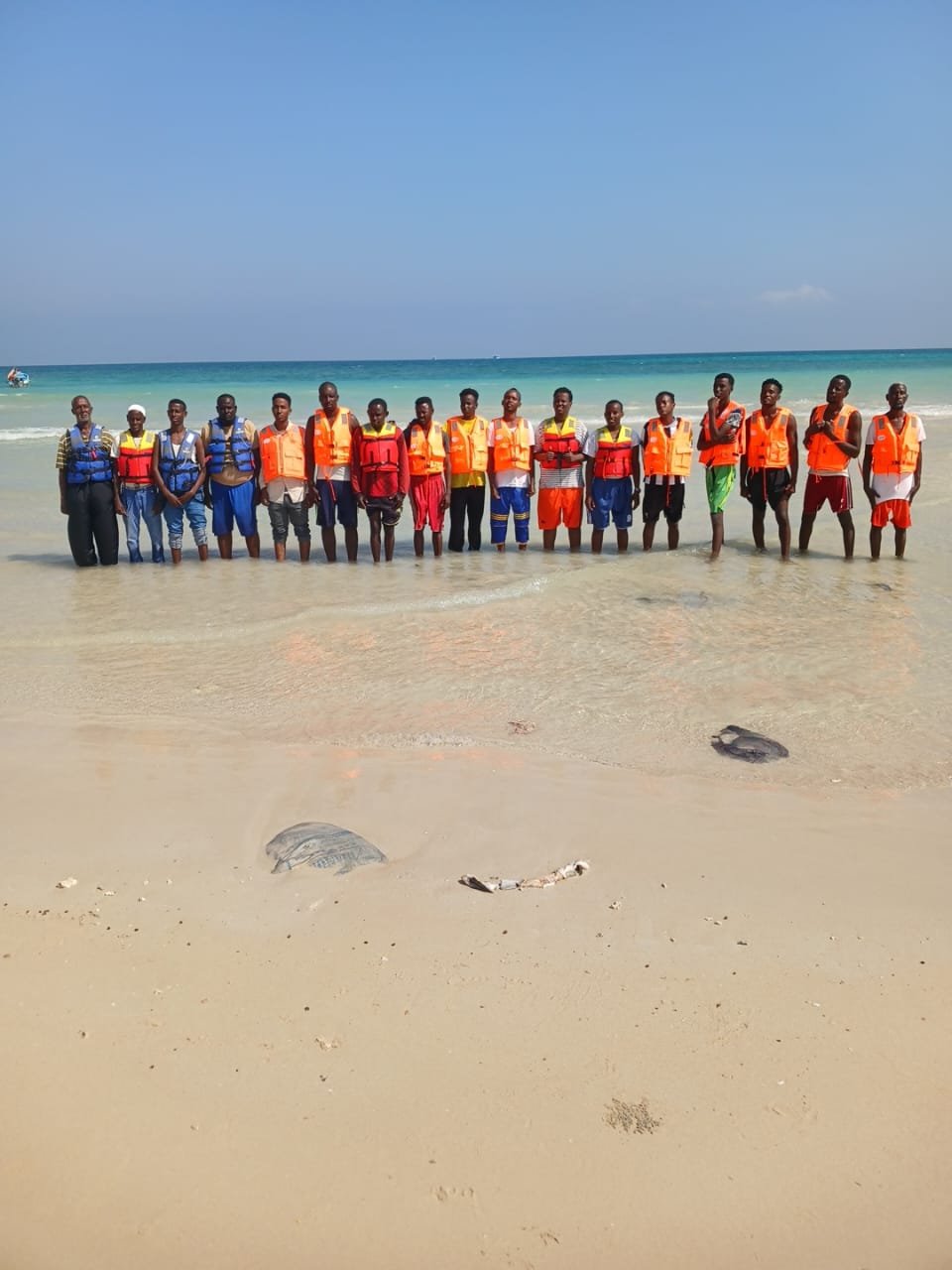
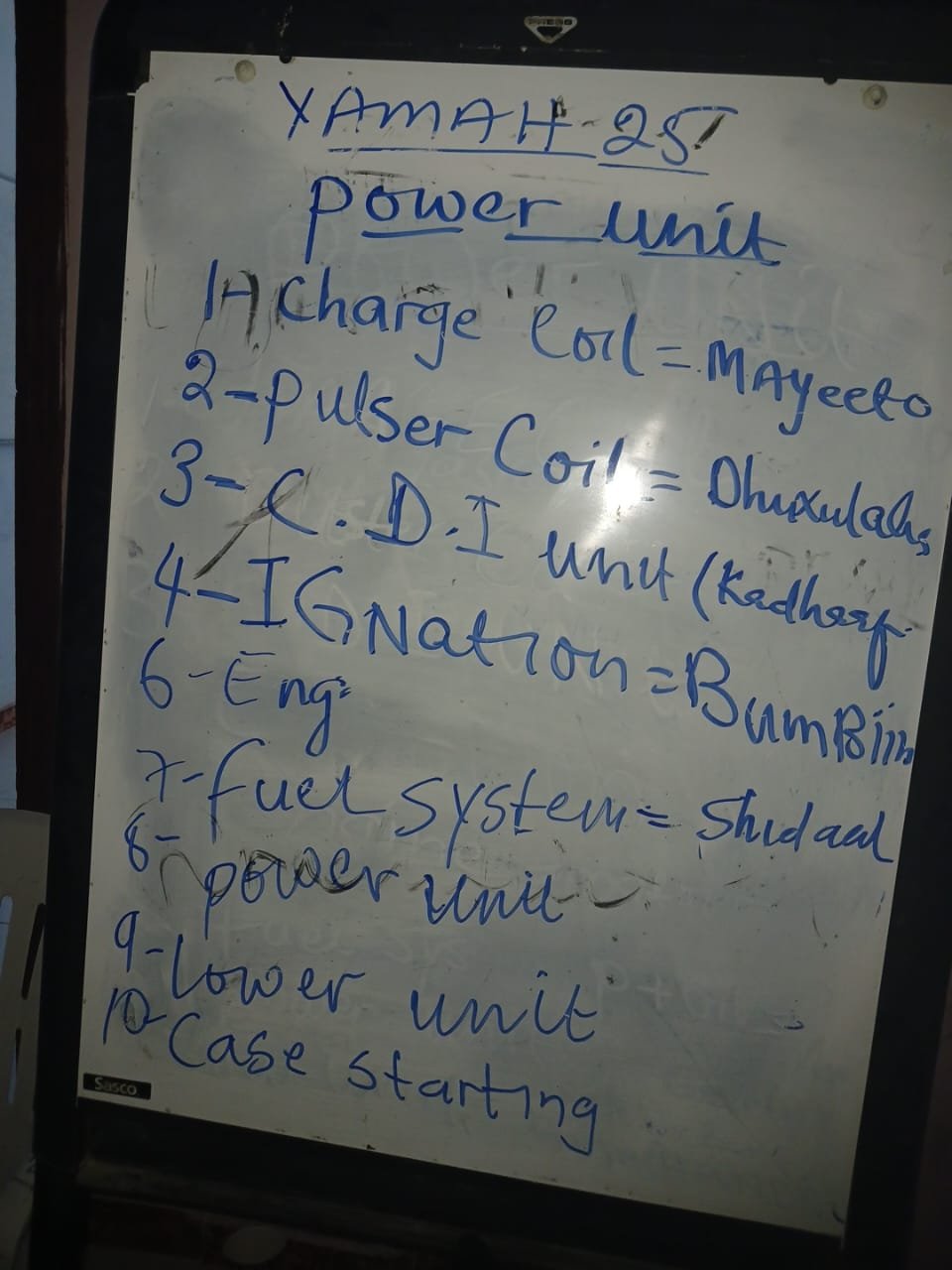
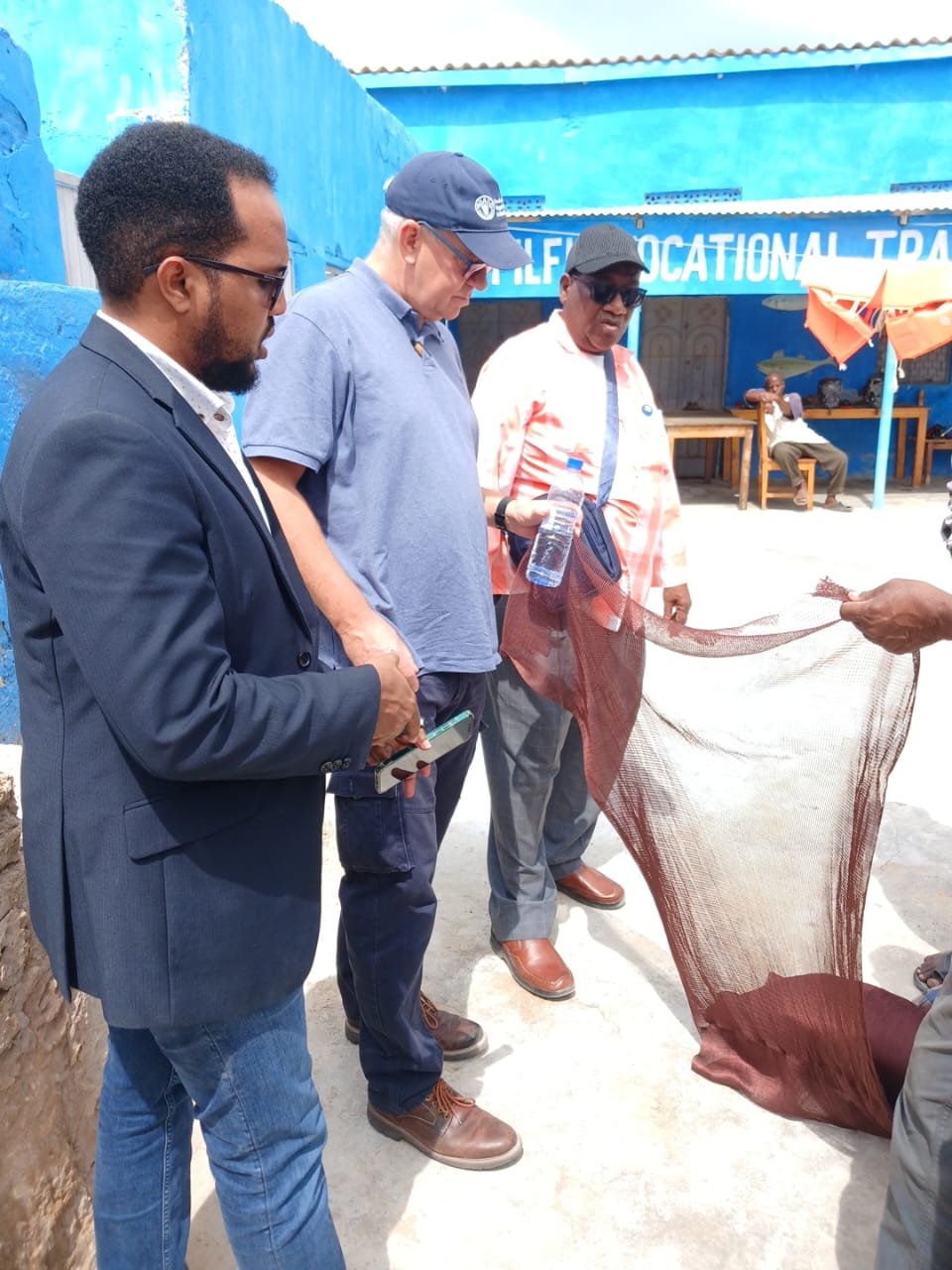
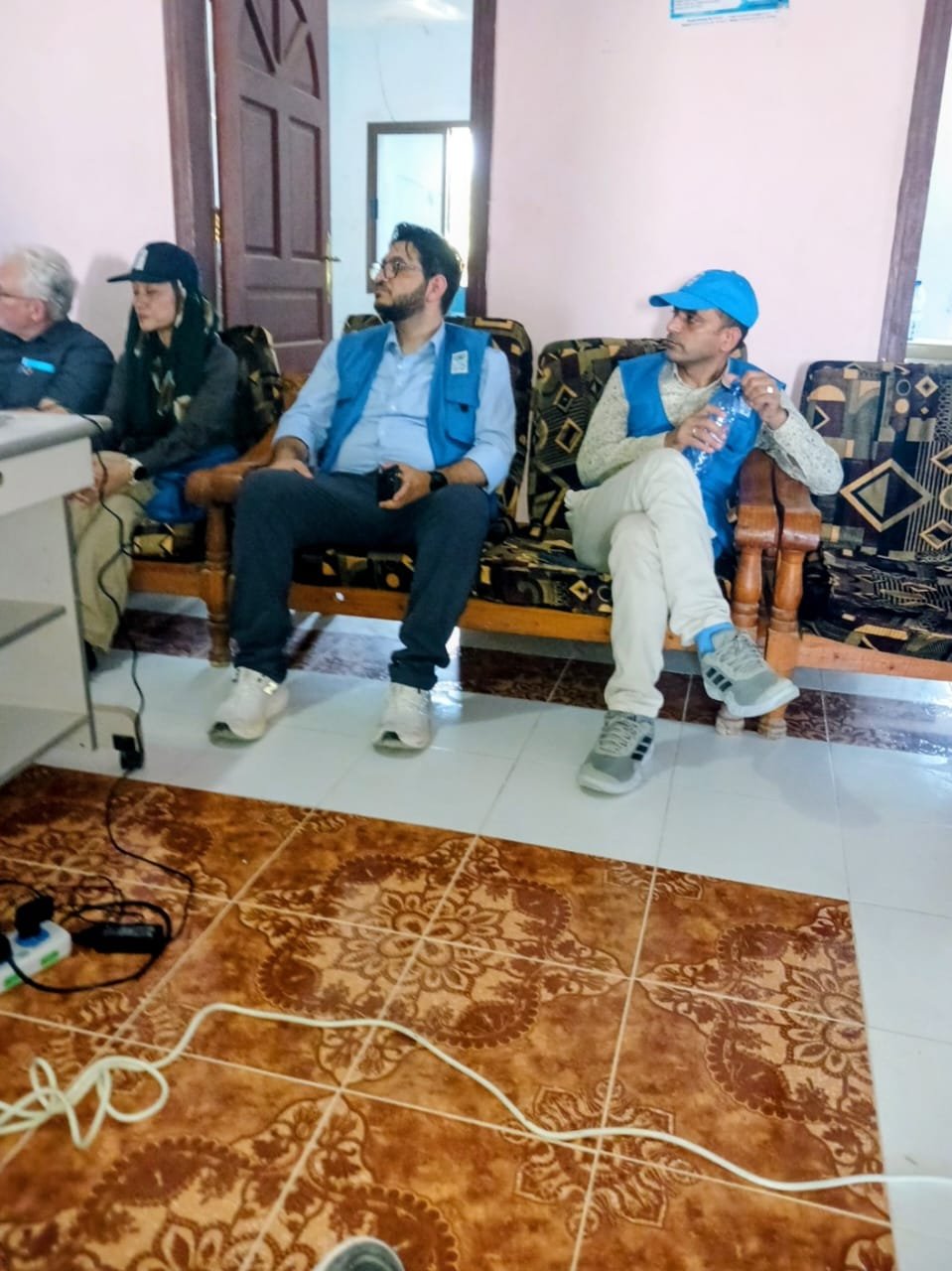
The laboratories are designed and sequenced. Facilities, equipment and analytical staffing remain the investment that would most rapidly extend scientific capability.
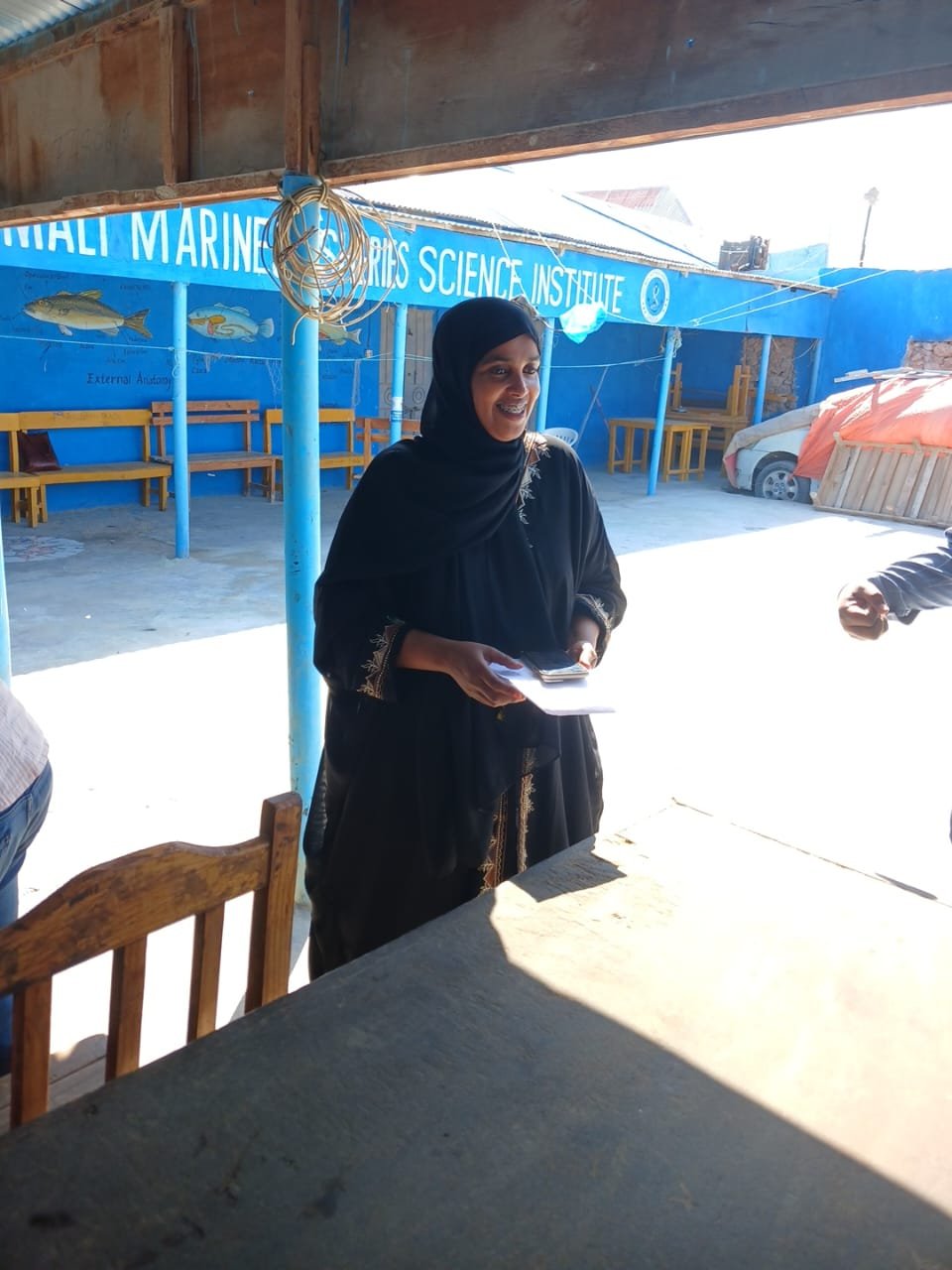
The profile presents the identity, mandate, governance, scientific programme and delivery record of the Somalia Marine and Fisheries Research Institute.
The Institute’s own academic and vocational programmes have produced eight Diploma cohorts and eleven vocational skills cohorts for Somalia’s marine sector.
Each level is a genuine entry point and a genuine exit point — from an evening course back to sea, to a Diploma and technical employment.
Days to a few weeks. Open entry for most programmes. Safety, inspection and professional refreshers.
Certificate of attendanceEight core fisheries trades. Weeks to one year. Workshop and field instruction.
Occupational certificateTwo years, four semesters, plus a supervised field attachment and research project.
Diploma in Marine ScienceUniversities, research institutes, UN agencies and development partners work with SMAFRI because the Institute can mobilise on the Bari coast, account for public funds, and hold a long-term data series.